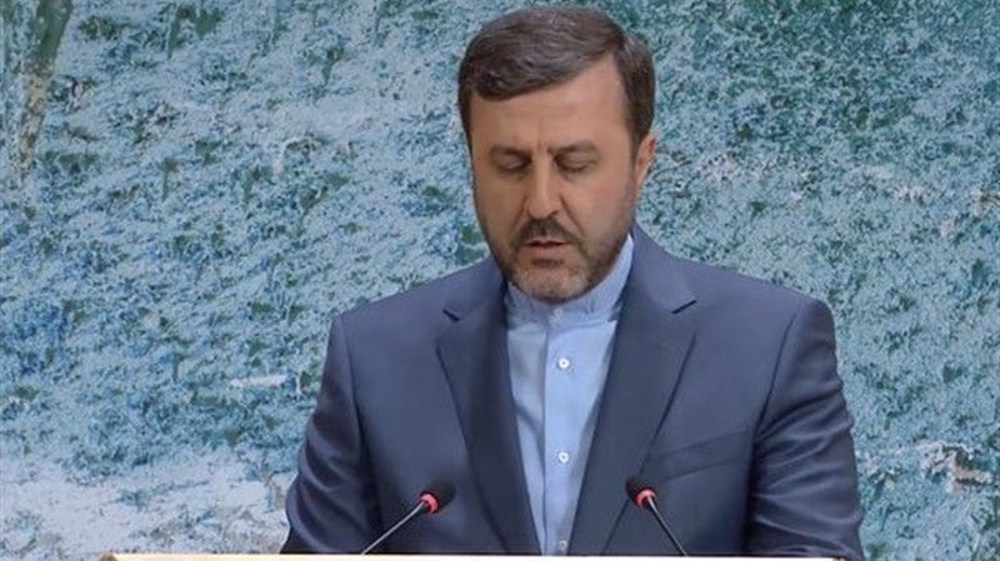
UN Sanctions: The Catalyst for Iran's Economic Devastation
Iran finds itself ensnared in an escalating economic conflict, ignited and intensified by the reimposition of United Nations sanctions. What began as international pressure over its nuclear ambitions has metastasized into an all-encompassing "economic war," with ordinary Iranian citizens bearing the brunt of its devastating consequences. At the heart of this unfolding crisis lies a collapsing currency, evaporating purchasing power, and a volatile domestic market where the specter of soaring Iran war fuel prices acts as a potent accelerant for widespread unrest.
The latest wave of UN sanctions, particularly those re-imposed in September concerning Iran’s pursuit of nuclear weapons, struck at the very arteries of the nation's economy. These measures are designed to cripple Iran's ability to export oil, restrict its access to the global financial system, and deter foreign investment. The immediate and profound impact was predictable: a severe shortage of hard currency, a tightening squeeze on trade, and a profound erosion of consumer and business confidence. Unlike previous sanctions regimes, the current iteration has been particularly effective in isolating Iran, exacerbating pre-existing vulnerabilities stemming from years of internal mismanagement and corruption.
This external pressure has created a perfect storm, pushing a historically resilient economy to the precipice. Analysts widely agree that while internal issues have long plagued the Islamic Republic, the acceleration of its economic free fall directly correlates with the renewed international pressure. The sanctions act as a tourniquet, cutting off vital economic lifelines and leaving the nation's financial system gasping for air.
The Rial in Freefall: Eroding Livelihoods and Fueling Unrest
Perhaps the most visceral symbol of Iran's deepening economic distress is the precipitous collapse of its national currency, the rial. In late December, the rial plunged to an unprecedented 1.48 million to the U.S. dollar, a staggering devaluation that sent shockwaves through the country. This isn't merely an abstract financial statistic; it represents a direct assault on the livelihoods of millions of Iranians.
The immediate fallout was palpable. Merchants in Tehran's central bazaar, the traditional heartbeat of the Iranian economy, voiced their despair, declaring they could no longer conduct business effectively. Their cries soon morphed into protests, as the sheer volatility of the currency made pricing goods, managing inventory, and planning for the future an impossible task. Imagine trying to run a business when the value of your assets can halve overnight – it's a recipe for paralysis. Rial Collapse & Fuel Costs: Inside Iran's Deepening Economic Strife illustrates the interconnected nature of these economic woes.
Ordinary Iranians, already grappling with stagnant wages and high unemployment, watched their purchasing power evaporate by the hour. Essential goods, many of which rely on imports or foreign currency for raw materials, became prohibitively expensive. From food staples to medicines, the cost of living soared, plunging more families into poverty. Within a week, the spontaneous demonstrations had spread from Tehran to all 31 provinces, underscoring the universal nature of the economic pain. These protests, like those in 2017, 2019, and 2022, were not centrally organized but rather erupted organically from a shared sense of desperation and injustice.
Fueling the Fire: The Volatile Role of Iran War Fuel Prices
Amidst the broader economic chaos, the issue of fuel prices occupies a particularly sensitive and politically charged space within Iran. Despite being one of the world's largest oil producers, Iran faces a unique paradox: its citizens are increasingly vulnerable to the very Iran war fuel prices that are meant to be a source of national wealth. The sanctions complicate every step of the energy supply chain, from extracting crude to refining it and distributing it domestically. While Iran exports crude, its refining capacity can be limited by lack of investment and access to spare parts, meaning it sometimes needs to import refined products or struggle to meet domestic demand efficiently.
The Iranian government has historically heavily subsidized fuel to keep prices low for its populace. However, under the intense strain of sanctions, maintaining these subsidies becomes an enormous fiscal burden. Reduced oil revenues mean less money for subsidies, forcing the government to either print more money (exacerbating inflation) or cut subsidies (leading to price hikes). Both options are politically perilous.
The memory of the 2019 nationwide protests, directly triggered by a sudden rise in gas prices, looms large. That particular unrest was brutally suppressed, but it demonstrated the raw potential for social explosion when fuel affordability is compromised. For many Iranians, affordable fuel is not a luxury but a necessity for commuting, transporting goods, and powering basic services. A significant hike in fuel costs creates a domino effect, increasing transportation expenses for all goods, driving up food prices, and squeezing already strained household budgets even further. This makes discussions around Iran war fuel prices a perennial flashpoint, capable of igniting popular discontent.
Beyond Economics: The Shift Towards Political Revolution
The protests currently gripping Iran, while initially sparked by economic grievances, have rapidly evolved into something far more profound. What began as demands for economic relief – lower prices, stable currency, better job prospects – soon escalated into widespread calls for the overthrow of the Islamic Republic itself. This shift is a testament to the deep-seated unpopularity of the theocratic regime, which has been in power since 1979.
For decades, Iranians have endured a blend of economic mismanagement, systemic corruption, and political repression. The current economic collapse, exacerbated by international sanctions, has merely served as a potent catalyst, bringing long-simmering frustrations to a boil. Citizens no longer separate their economic woes from the political system; they view the regime as the fundamental cause of their suffering. The protests are characterized by a remarkable lack of formal leadership, reflecting the state’s systematic arrest and suppression of civil society figures over the years. This absence of a single organizing entity makes the spontaneous and widespread nature of the demonstrations all the more indicative of a deep national malaise.
The government's heavy-handed response, often involving internet blackouts and violent crackdowns, further entrenches the divide between the state and its people. For many, the cost of living has become so unbearable, and the future so bleak, that the risks of protest are increasingly outweighed by the despair of inaction. This transformation from economic outcry to political revolt signals a dangerous new phase in Iran's internal struggle, one where the price of stability is measured not just in rials, but in human lives and the future of a nation.
The Price of Ruin: A Humanitarian Perspective and Future Outlook
The ongoing economic war in Iran, fueled by sanctions and internal strife, exacts a staggering humanitarian toll. Beyond the dramatic headlines of currency collapse and street protests, there is the silent suffering of millions. Families are forced to make impossible choices between food and medicine, education and basic necessities. The middle class is being systematically hollowed out, while the poor descend into deeper destitution. The brain drain accelerates, as Iran’s brightest minds seek opportunities and stability abroad, further depleting the nation's human capital and hindering future recovery.
The regime, for its part, continues to employ a mix of repression, propaganda, and strategic maneuvers to navigate the crisis. It seeks alternative trade partners, attempts to bypass sanctions through illicit channels, and doubles down on domestic production initiatives, often with limited success. However, these tactics do little to alleviate the fundamental grievances of its people or address the underlying economic vulnerabilities that make the nation so susceptible to the pressures of an economic war. The long-term consequences of this systemic instability are dire, potentially leading to increased regional instability, further migration crises, and a humanitarian catastrophe on a larger scale.
In conclusion, the UN sanctions have undeniably thrust Iran into a crippling economic war, with devastating consequences for its people. The plunging rial, the erosion of purchasing power, and the ever-present threat of escalating Iran war fuel prices have converged to create a potent brew of desperation and dissent. The protests, born from economic pain, have evolved into a fundamental challenge to the regime's legitimacy, highlighting the profound price of ruin that an entire nation is being forced to pay. As the crisis deepens, the world watches to see if Iran can find a path out of this economic quagmire, or if the relentless pressure will ultimately reshape its political landscape.